


Blogs & Articles
Insights, expertise, and industry knowledge from South Africa's battery storage specialists
Stay informed with the latest developments in commercial solar, battery storage, and energy management
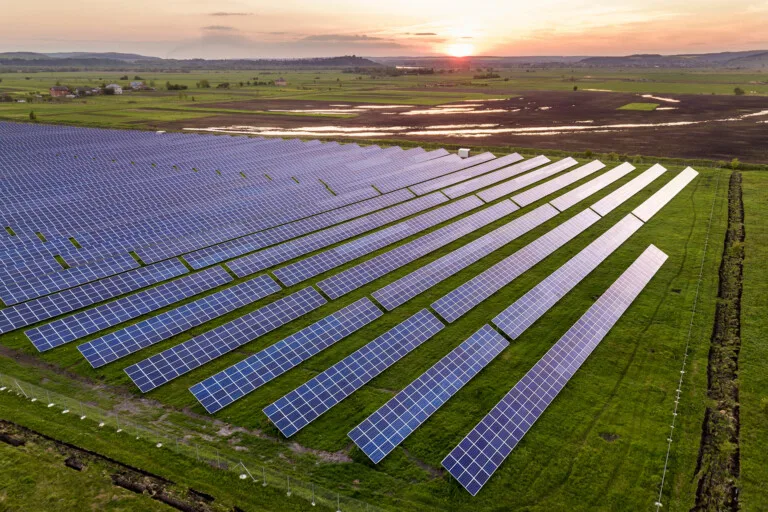
FY27 Tax Deadline: Why September 2026 Is the Last Realistic Window to Act on Solar
If your financial year ends in February 2027, you have a narrow window to commission a solar or battery project and claim a 100% Section 12B tax deduction. Projects take 3 to 6 months from contract to commissioning. September 2026 is not early, it is the last realistic point to start.
12 September 2026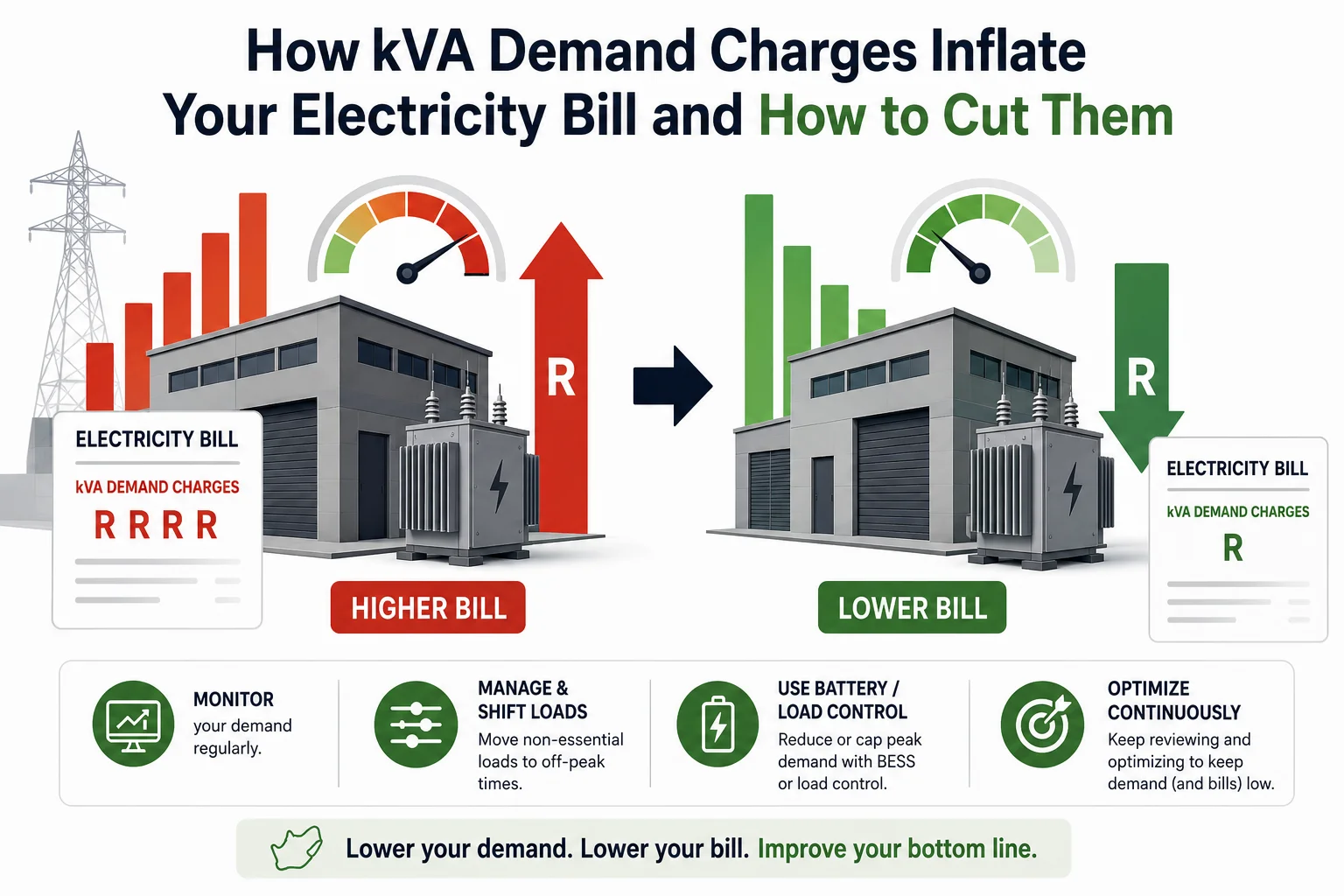
Energy Arbitrage vs Peak Shaving: What a R5.87/kWh Spread Means for Your Battery Strategy
Energy arbitrage and peak shaving both use a battery, but they are not the same strategy. One cuts your R/kWh energy charge by shifting consumption in time. The other cuts your kVA demand charge by capping how sharp your peaks are.
14 September 2026
How to Read Your C&I Electricity Bill (and Spot What You Are Overpaying)
Most commercial and industrial finance teams check one number on the electricity bill: the total. That is where money leaks. A C&I bill is made up of several distinct charges, each driven by a different behaviour, and each with its own opportunity to reduce.
25 July 2026How kVA Demand Charges Inflate Your Electricity Bill and How to Cut Them
On a Time-of-Use tariff, a large share of your monthly cost comes from the demand charge, billed in kVA on your highest measured demand for the month. For many C&I sites this single line runs to tens of thousands of rand and is almost never scrutinised.
25 July 2026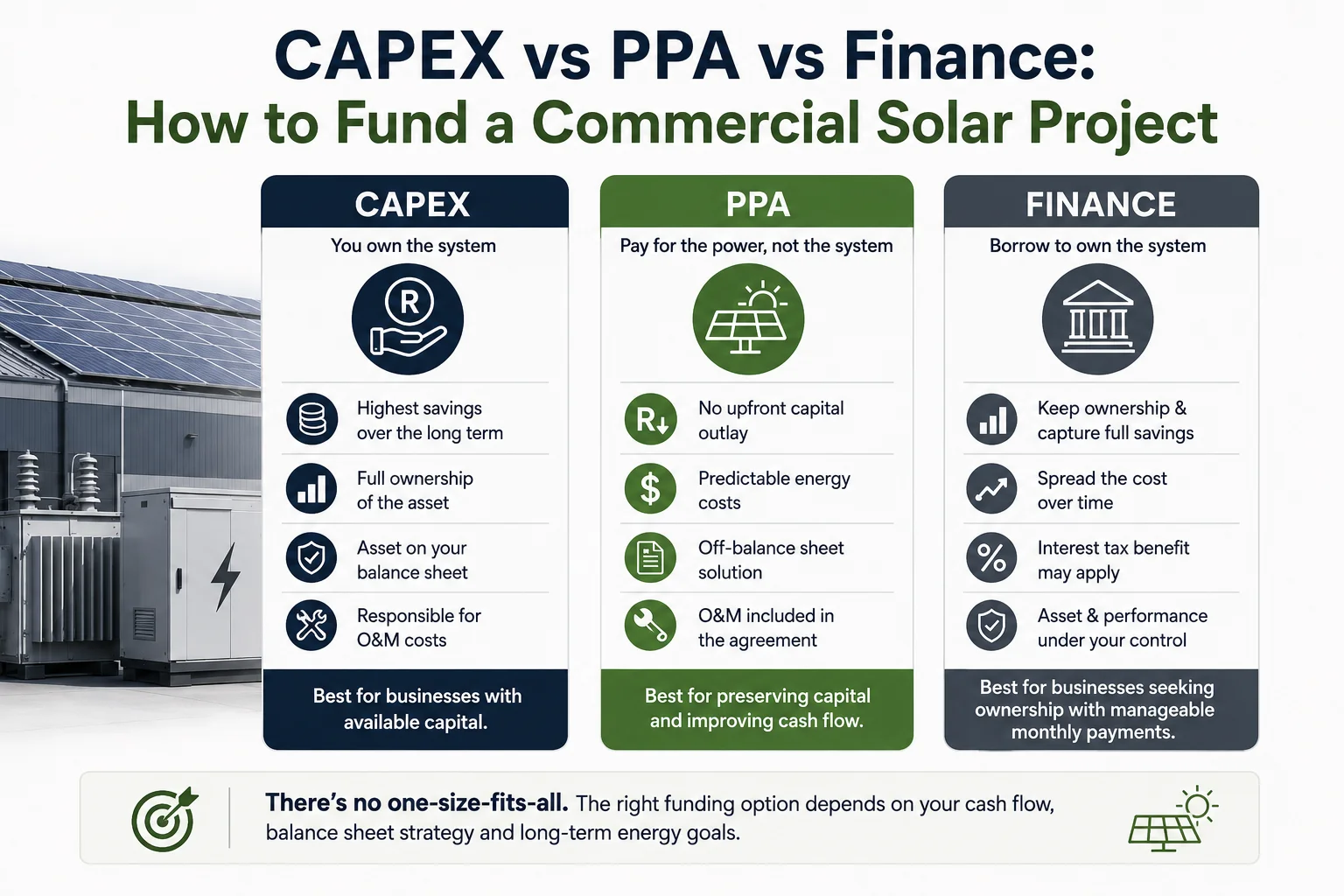
CAPEX vs PPA vs Finance: How to Fund a Commercial Solar Project
For most commercial and industrial businesses, the barrier to a solar and battery project is not the technology or the business case. It is how to pay for it. There are three well-established ways to fund one, and the right choice depends on your balance sheet, tax position, and how much you want to own.
25 July 2026
Commercial Solar in Gauteng: What C&I Businesses Need to Know
Gauteng is the industrial and commercial heart of South Africa, and it is also where rising electricity costs bite hardest. For operations across Johannesburg, Ekurhuleni, and Tshwane, solar PV and battery storage have moved from a nice-to-have to a straightforward financial decision.
25 July 2026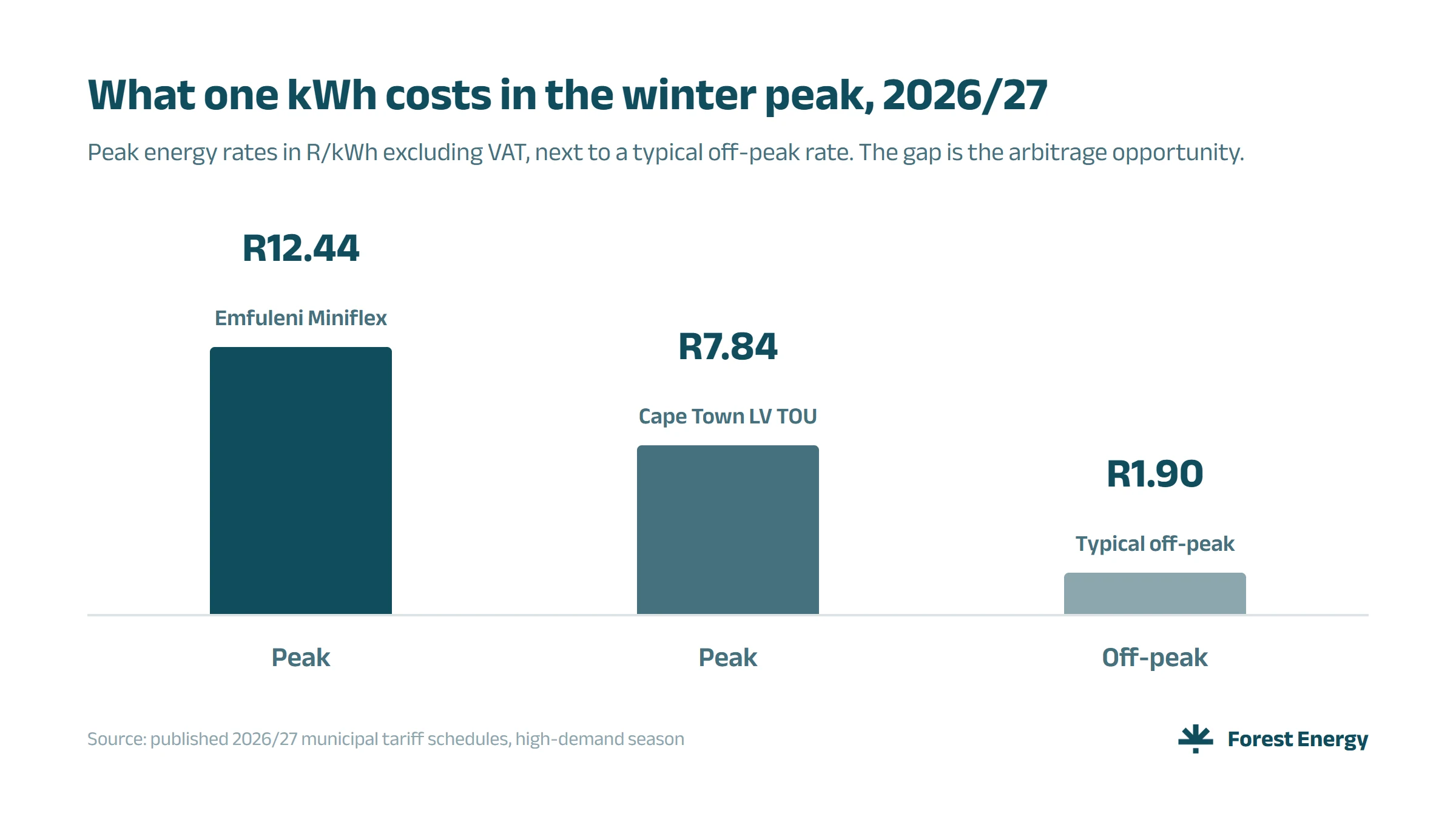
How Do I Reduce My Peak Tariff? Four Options for South African Businesses
There are four ways to reduce what you pay in peak: shift load out of the peak windows, generate your own power, store cheap electricity and discharge it during peak, and lower the demand reading that sets your fixed charges. For most businesses on a TOU tariff, the battery does the heavy lifting.
8 July 2026
On City of Cape Town's LV TOU Tariff? You Are Now Paying R7.84/kWh in Peak. Here Is What It Means
From 1 July 2026, the City of Cape Town's LV TOU winter peak energy charge is R7.84 per kWh excluding VAT, up 7.5% on last year. The fixed charges climbed even faster. Here is what the new tariff means for Cape Town businesses, and where the savings opportunity sits.
8 July 2026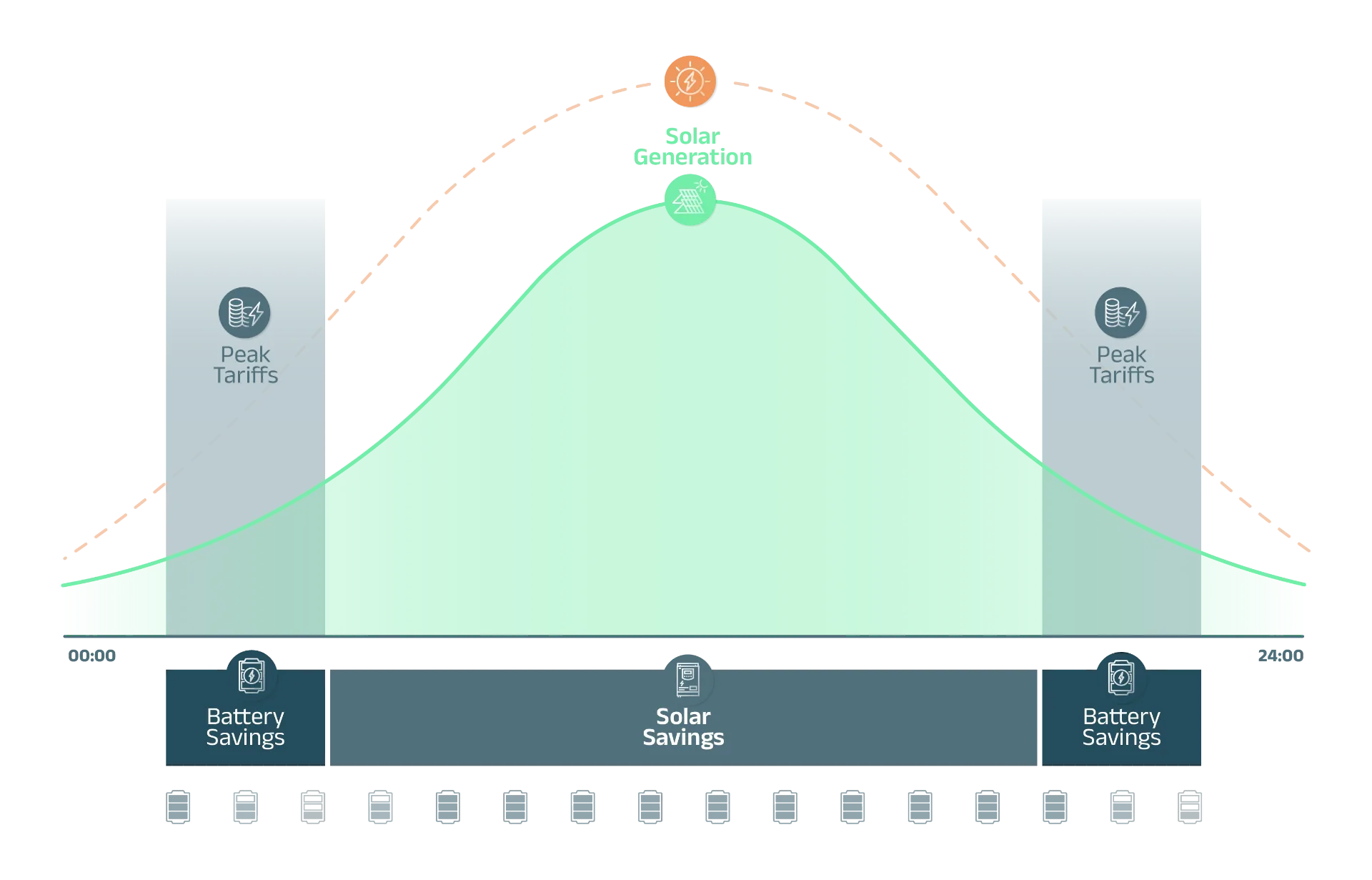
Emfuleni's Peak Tariff Just Hit R12.44/kWh. Here Is What It Means for Your Business
On the Emfuleni Miniflex TOU tariff for low-voltage sites under 1 MVA, the high-demand-season peak energy charge is R12.44 per kWh excluding VAT. During winter peak hours, every unit your site pulls from the grid costs more than twelve rand before VAT is added.
4 July 2026